
4 Years Later:
A Hail Mary and a Premonition
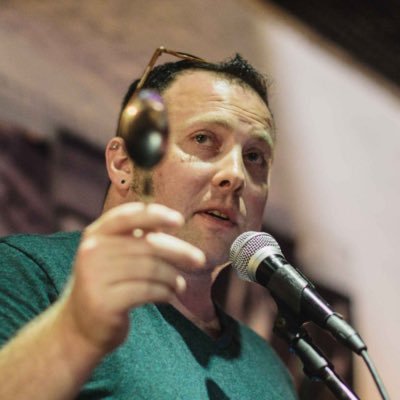
Alex Hillman
I often say that Indy Hall’s current Clubhouse is the kind of gift that’s like getting a Nintendo on Christmas Day:
It’s better when you invite your friends over to play.
But in January 2022, it was still pretty weird to invite your friends over to play.
COVID vaccination was widely available, but after 2 years of pandemic quarantine, the readiness to be around other people was extremely uneven.
Our pop-up coworking experiments of the previous fall had been great – for many attendees it was their first time regularly getting out of the house, and they wanted to continue into the winter months.
But right as we were going to open memberships in January, a surge of the Omicron variant from the holidays made us pause the effort until case numbers were on a downtrend.
The whole thing felt precarious.
Would enough people actually want to get out of the house and work around other people again? What if we opened, only to have to close again?
We weren’t 100% sure, but we also had to try.
We were running out of time, money, and morale.
And to be completely honest…I didn’t really have a backup plan. 🫣
Within 30 days we had our answer.
Membership signups started flowing in, slowly but surely.
People wanted it. People needed it.
We came back from the brink, and thanks to a mutually beneficial structure instead of a typical lease, we had our first clear path back to some version of a sustainable future.
Whew.
But there was a question we couldn’t answer yet.
Could we also rebuild the culture that made Indy Hall special?
Learning to be ourselves again.
Adam and I have worked with hundreds of coworking spaces around the world (literally every continent except Antarctica). We’ve seen a LOT of coworking spaces succeed and struggle.
And if there’s one pattern that’s consistent, it’s that setting up the space itself is the easy part, which is why so many people do it first.
The biggest challenge – besides the financial pressure to fill an empty space at the beginning – is making sure people aren’t just coming for the space but coming for each other.
Indy Hall’s community stayed connected thanks to the fact that we had a vibrant online community before the pandemic.
But would this new version, in a new space, actually feel like the Indy Hall community?
How would the expectations and culture driven by a new generation of members, many of whom never knew the before times versions of Indy Hall, be different? How would our pandemic-era loyals and alumni intermingle with this new chapter?
We didn’t know for sure.
All we DID know was that we couldn’t force it.
So we did what we always do: create the conditions and watch carefully.
Over the next ~3 years, things were slow and steady, just how we like them.
We had the right energy in the room. Recognizable moments of people helping each other out, sharing ideas, and welcoming new members into the fold.
From the outside, I think things looked pretty good, because they were!
But we’ve never settled for “pretty good” - we always strive for better.
The Premonition
In October 2025, just days before Adam left for a much deserved two-week vacation in Japan, we sat down for an interview with Cam Robinson.
Cam had been producing a series of member profiles over the previous year, and he asked us to round out the season by interviewing Adam and I together.
During the interview, we talked about Adam’s upcoming trip because he’d done something pretty amazing.
He put out a call to members to help out by taking over small pieces of his day to day responsibilities, and more than a dozen members jumped at the chance.
So many that a member remarked to me that they wanted to help out but the slots were all full. They also noted how proud that must make me.
And they’re right, because when I brought it up in the interview I said:
“I’m most excited about Adam coming back refreshed from an amazing trip and having the best version of our community that we’ve had in recent history.”
And I was so right. October 2025 was a turning point.
The energy shifted. Members weren’t just showing up and using the space. They were owning it. Looking out for each other. Taking initiative, often without being asked.
The bystander effect that plagues most shared spaces? The opposite is happening here.
Wanna learn how and why?
Tune into this interview below.
We cover a lot of ground, from how Adam and I remember first meeting each other, to the ways we think about building trust and connections, and most relevant to today’s story the prediction I mentioned above.
Watch “The Power of Sharing Power”
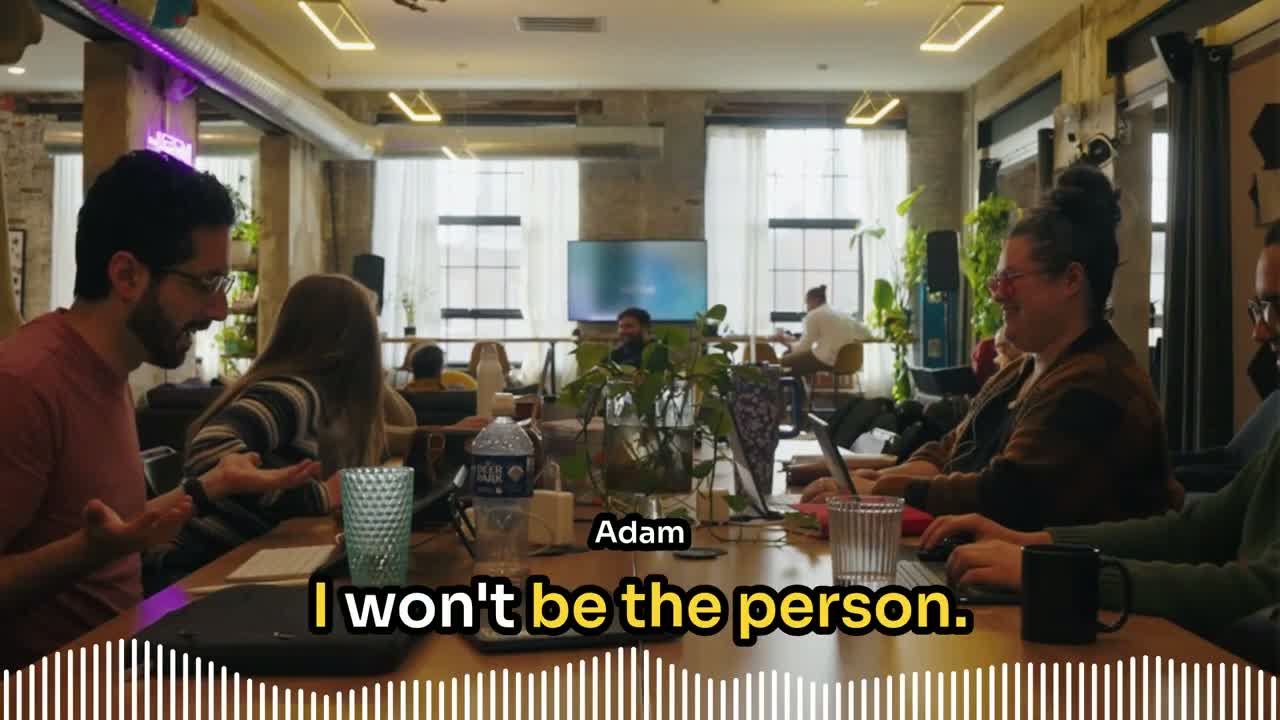
Watch: “The Power of Sharing Power” with Cam, Adam, and Alex →
It feels a little bit too perfect that I finished editing Cam’s interview just in time for this milestone.
But as I re-listened, I suddenly understood how all of these seemingly disconnected memories all fit together.
None of this has happened by accident, but also, Adam and I couldn’t do any of it on our own.
Four years ago we started rebuilding something we weren’t sure could be rebuilt. And now, our community regularly does things we couldn’t have planned or predicted.
Members hosting events, teaching workshops, volunteering shifts, checking in on each other, surprising us at every turn.
If you’d like to hear more about how Adam and I work together - with each other and with all of you – I’d recommend checking out this new interview on our YouTube channel.
Not because it’s about us, but because it’s really about you and the community you’re building together whether you realize it or not.
Don't miss our next post
Stories, insights, and community updates delivered to your inbox weekly.